


‘Zeitgeist: Art in the Germanic World, 1800-1900’ Comes to Getty
Sandra Miska
While LACMA will be celebrating Middle Eastern art this month, the Getty Center will be bringing to light works from a different part of the planet. “Zeitgeist: Art in the Germanic World, 1800-1900” will open Feb. 10.
A hundred years may seem like a short time frame in the history of art, but a lot happened in Germanic work during the nineteenth century. The Industrial Revolution, the formal unification of Germany into a nation state, and the invention of psychoanalysis, just to name a few milestones were instrumental. All of this social, political and intellectual change shaped not only modern German society, but German art as well.
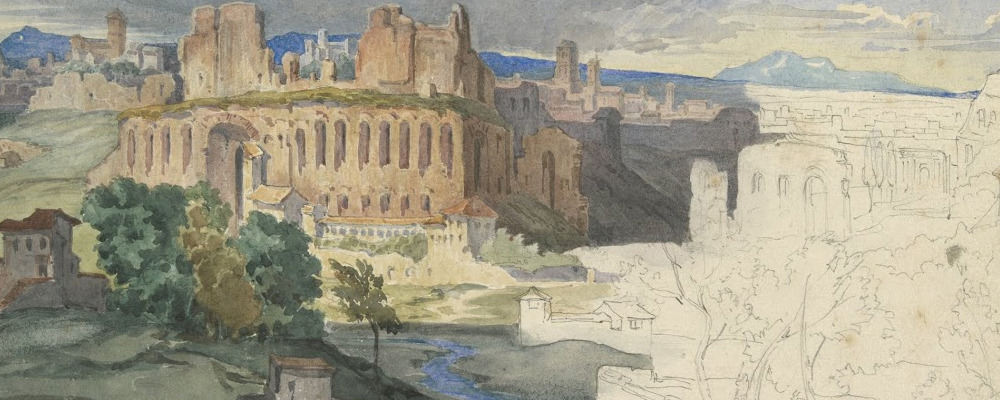
“Zeitgeist” will include paintings, drawings and prints from the J. Paul Getty Museum, the Getty Research Institute, as well as local private collections.
One painter whose work will be on display is Casper David Friedrich (1774-1840). Friedrich was known as a romantic landscape painter; he created nature scenes that were meant to be a subjective, emotional response to the natural world. Because his paintings were misinterpreted as having a nationalistic aspect, they were popular during the rise of Nazism in the 1930s. With the fall of the Nazi Party came a sharp decline in Friedrich’s popularity. It was not until the 1970s that he regained his reputation as an icon of German romanticism.
Also included in “Zeitgeist” is the work of Friedrich’s friend and contemporary Philipp Otto Runge (1777-1810). Although he lived a much shorter life than Friedrich, Runge is nevertheless also remembered as a great German Romantic painter. Deeply religious, his work incorporated Christian themes. Runge is responsible for discovering that all colors come from mixtures yellow, red, and or blue.
Representing the second half of the nineteenth century is Gustav Klimt (1862-1918). Influenced by Japanese art, Klimt painted landscapes like Friedrich. However, he was primarily known for his daring female nudes. Klimt was a prominent member of a group of Austrian artists known as the Vienna Succession.
“Zeitgeist: Art in the Germanic World, 1800-1900” will be on display at the Getty Center Feb. 10-May 17.