
Deaf West Theatre Brings ‘Spring Awakening’ to Downtown L.A.
Jenny Lester
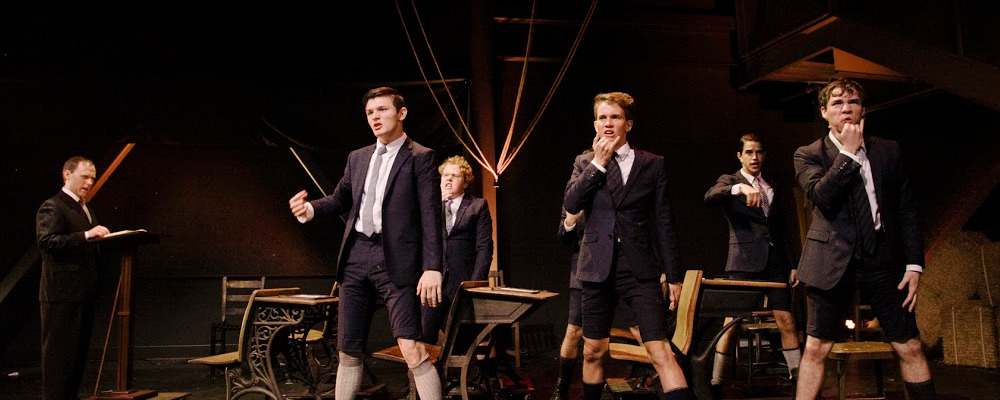
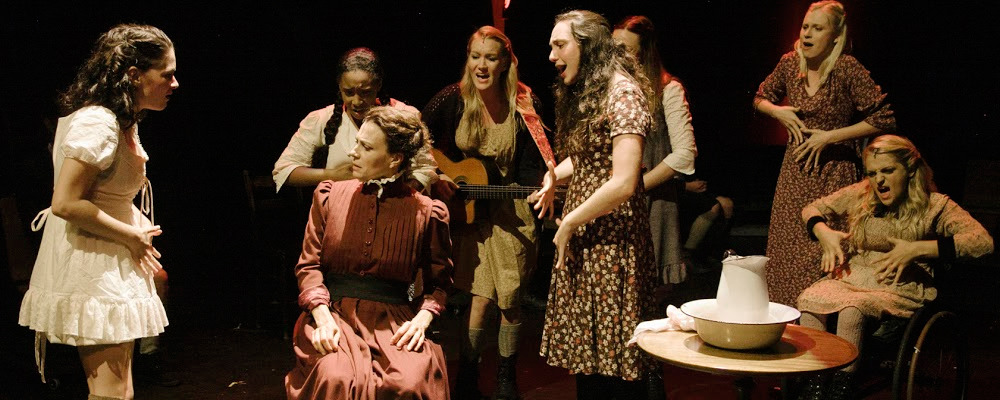
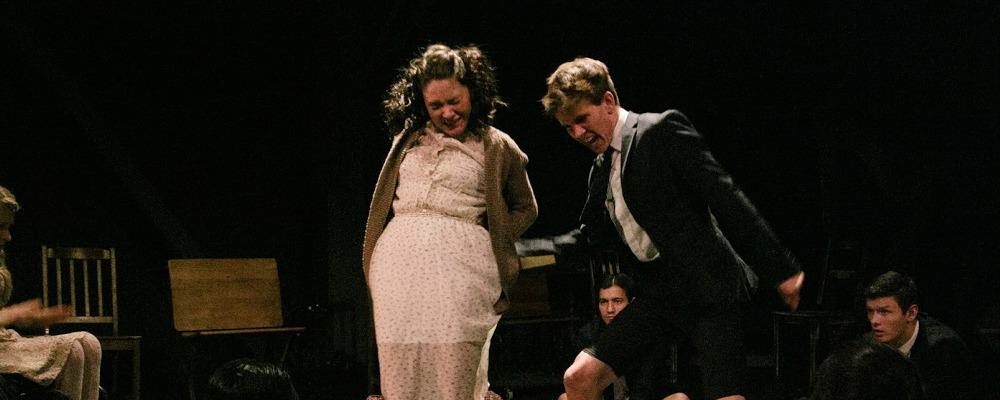
The hashtag #TouchMe is splashed across Deaf West Theatre’s social media page. “Touch Me” is just one of the edgy ballads that drive Duncan Sheik and Steven Sater’s hit musical, “Spring Awakening.” The provocative, musical re-imagining of Frank Wedekind’s 1891 German play (“Spring’s Awakening”) premiered on Broadway in 2006 and was heralded as groundbreaking for its rock score, young actors, and anachronistic use of microphones. Since then, the show has been done and redone. But never like this.
Deaf West Theatre is well known for being the “first professional resident sign language theater west of the Mississippi.” But more than that, they’re locally and nationally revered for producing legitimate, quality theater that enjoys patronage from both the deaf and hearing communities. Deaf West Theatre’s production of “Big River” transferred to The American Airlines Theater on Broadway after its successful run in Los Angeles in 2003.
The company has a long history of imaginative staging when it comes to the musical theatre. Often, they’ll cast two actors for each role – one hearing and the other deaf – in order to simultaneously give life (and voice) to a character. Deaf actors will take musical cues from their hearing cast mates via choreography or secret and expertly placed nudges. This, coupled with brilliant choreographic use of American Sign Language, makes Deaf West both notable and always exciting, and, perhaps, the perfect company to take on the zillionth revival of “Spring Awakening.”
Artistic Director DJ Kurs was admittedly skeptical in signing on to produce yet another version of the seemingly overdone musical. After seeing a workshop version of three songs in Pasadena, however, he understood what the piece could mean to the deaf community and jumped on board. The coming of age story inherently illuminates how quickly life’s harsh realities are thrust upon adolescents – a concept resonating with audiences of Wedekind’s time and audiences of today. The piece explores a generation of parents sheltering their children from knowing too much and leaving them to make terrible mistakes on their own. And perhaps the more relevant exploration of what was essentially an entire generation of people without a voice appealed most strongly to Kurs
The late nineteenth century was an equally dark, if not darker, historical period for the deaf community than it was for the hearing. At the Second International Congress of Education of the Deaf in 1880, it was decided that the only hope the non-hearing community had of assimilation into society was via “Oralism,” a technique that essentially banned sign language from most countries and forced the deaf to read lips and learn to speak. Those who protested were shut away as invalids. The parallels Kurs has drawn between these events and those of the misguided (or more accurately, not guided) school children of “Spring Awakening” are uncanny.
This cast of energetic and youthful actors – none of the principles are over 24 – come from all over the United States, some of them making their professional debut. They were guided by the brilliant tutelage of director Michael Arden, who has been involved with the company since he was cast as an actor in “Big River” in 2003. “Spring Awakening” is a musical that already relies on the heightened senses of young people and the choices they make based on their impulses. With at least half the cast and audience stripped of one of its senses, the universal condition of desperate sensory communication between young people is enhanced and exploited through swells of music, lyrics, ASL, emotion, and choreography. If you’re going to see a revival of “Spring Awakening,” make it this one.
“Spring Awakening” is playing Wednesday through Sunday at Rosenthal Theater within Inner City Arts through Nov. 9. Limited tickets are available on Deaf West’s Box Office Website.