
‘The Vampire Lestat’: Sam Reid Gloriously Drops the Mic on AMC’s ‘Interview With the Vampire’
Tony Sokol
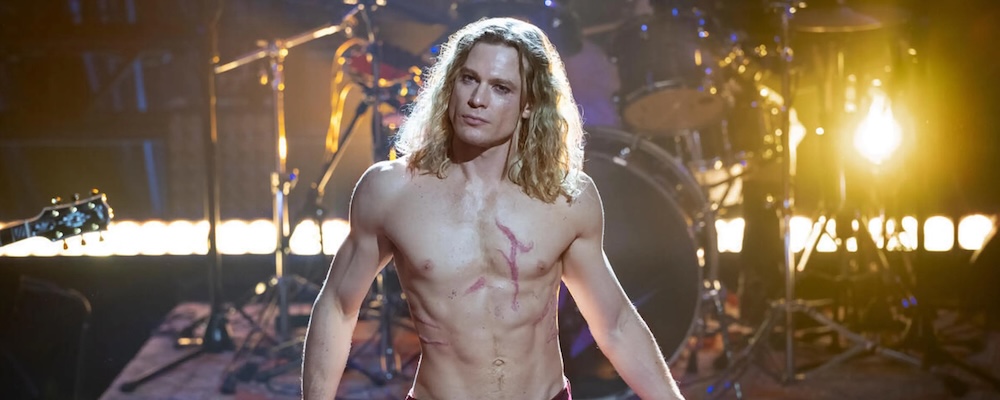
AMC’s “The Vampire Lestat” burns the title page of “Interview With the Vampire” in season three for the adaptation of Anne Rice’s 1985 sequel novel. The author always intended Lestat de Lioncourt (Sam Reid) to be the breakout voice of “The Vampire Chronicles,” and showrunner Rolin Jones engineers the rock star metamorphosis. The sonic adjustments are loud, refined, and heavily distorted.
As in “Interview With the Vampire” seasons one and two, extreme liberties are taken with Rice’s material in the ongoing story. The fictional author, and now fledgling vampire, Daniel Molloy (Eric Bogosian), is no longer chasing a book on the elusive Lestat. He is directing a documentary to cash in on the best-selling prize winner he wrote about Louis de Pointe du Lac (Jacob Anderson).
The first two seasons of “Interview With the Vampire” were structured around the 1976 novel, allowing the cinematic experience to capture the grandeur of the somewhat tamed adaptation. “The Vampire Lestat” is shot to match the documentary framework, rather than distract from it. The cinematography is as breathtaking as ever, even when depicting the most gruesome encounters. The tonal shift does not diminish the beauty of the captured imagery, but is noticeable throughout.
The partial adoption of the documentary style allows Reid’s Lestat to be the confessor in a particularly chilling scene which tests the barriers of belief and memory. Tangentially, this evolves into one of the most truly frightening sequences of the season. In spite of the often monstrously portrayed, people-eating vampires, “Interview With the Vampire” was never a horror story. It is a parade of love stories with blood at the center. But it knows how to evoke terror when it’s needed.
Daniel is not the primary antagonist of “The Vampire Lestat,” but he knows how to antagonize the vampire, Lestat. This is an ever-fresh wound Molloy likes to poke which defines their dynamic. In order to get even the simplest of revelatory answers, Molloy goes full-blown Lester Bangs in the face of Lestat’s immortal rock god posturing. The back-and-forth interview process hits hysterical highs and soul-wrenching lows. Either makes for good footage. The heated exchanges cool after the cameras stop recording, but kindling glows forever beneath the glances. Reid captures the ideal of the goth rocker. Other performers need special effects to fly. Reid embraces the gravity of the situation by ignoring consequences. He flips between the jaded rockstar and the manic shaman with ease, holding the pain of the past few seasons behind his eyes, as the distant past comes through as ghosts.
The centuries-old composer insists all questions should be directed to a study of the songs. Lestat’s music, written by composer Daniel Hart and performed by Reid, weave narratives for vampire ears, but function as a storytelling device for the multiple plotlines. It is strange in the music industry, however, for any band to rack up 55 albums of new material recorded on tour during a season’s worth of television. The A sides must be unlistenable if the DJs always announce they are playing side B.
Like blood, the settings, tempo, and sexuality move fluidly through “The Vampire Lestat.” The past is interwoven into the present. Much of Lestat’s most personal agonies come to him as ghosts. The child vampire, Claudia (Delainey Hayles), haunts not only Lestat, but Louis in one of the most moving mini-arcs of the season. Movement proceeds at an expedient pace, but also takes time for long conversations with extremely revealing details.
This is not limited to the main players, Jennifer Ehle brings a gleeful ruthlessness to the band’s tour bus as a mysterious vampire hanger on. It is a riveting performance, and her disappearing acts come to taint every scene. Armand (Assad Zaman), who ended season two in forced anonymity, continues as a walking no one, torturing fledgling Daniel with worldly abandonment issues.
The best scenes are still those between Louis and Lestat. Sam Reid and Jacob Anderson reprise their roles and revise their lies. The pair really know how to do regret, especially when it comes far too late. Reid and Jacobson are a well-oiled instrument, in perfect sync. Anderson brings far more than a dark character to life. While Lestat always gets first and last words in any battle of wits, Louis is a master of the comedic downplay. He expresses wordless jokes with the tilt of his eye, even in the most grueling emotional landscape. When Lestat willfully infuriates Louis, Anderson does facial backflips to prompt harder realities to come forward. When the truths come, each usually begins with an extreme explosion of accusation, or worse. These lead to the greatest exchanges of inner insecurity and ego ever to grace small screens.
The “Interview With the Vampire” series remains one of the most sensually shot series on television. The positions change, but the sumptuousness of the camera work consistently finds the darkest truths hidden in the light. The series is a unique television experience. The intensity of the acting is unparalleled, the writing continues to be evocative, witty, and bravely honest about the most taboo subjects. “The Vampire Lestat” is a full-blooded romance with lethal repercussions.
“The Vampire Lestat” premieres June 7 at 9 p.m. ET on AMC and AMC+ with new episodes releasing on Sundays.